

Global Network 2023-05-31 08 :32
This article is transferred from [CCTV News client];
Drilling of China's first 10,000-meter scientific exploration well
On May 30, PetroChina released news that China's first 10,000-meter scientific exploration well, the Deep Taco 1 well, was drilled in the Tarim Oilfield in Xinjiang.
The deep Taco 1 well is located in the hinterland of the Taklamakan Desert, in Shaya County. The design depth is more than 10,000 meters. From top to bottom, 13 sets of formations in the Tarim Basin will be drilled.
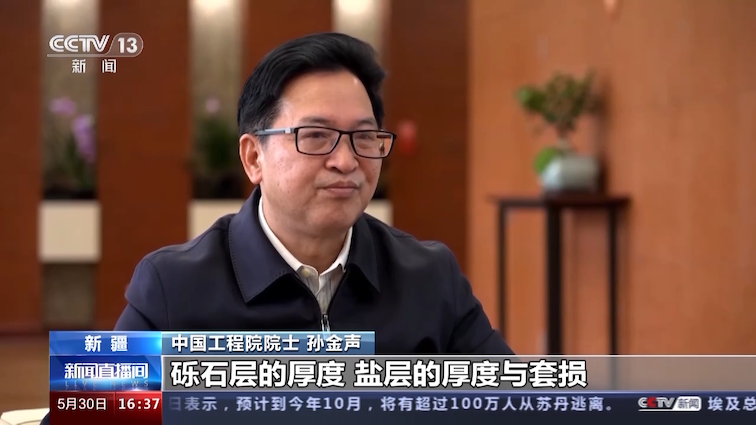
Sun Jinsheng, Academician of the Chinese Academy of Engineering: The Tarim Basin benchmarking the world's 13 engineering difficulty indicators for drilling and completion, such as high temperature and high pressure, the thickness of the gravel layer, the thickness and wear of the salt layer, the coefficient of brine pressure, high sulfur content, etc. These 7 indicators are world-class problems, and they all rank first.
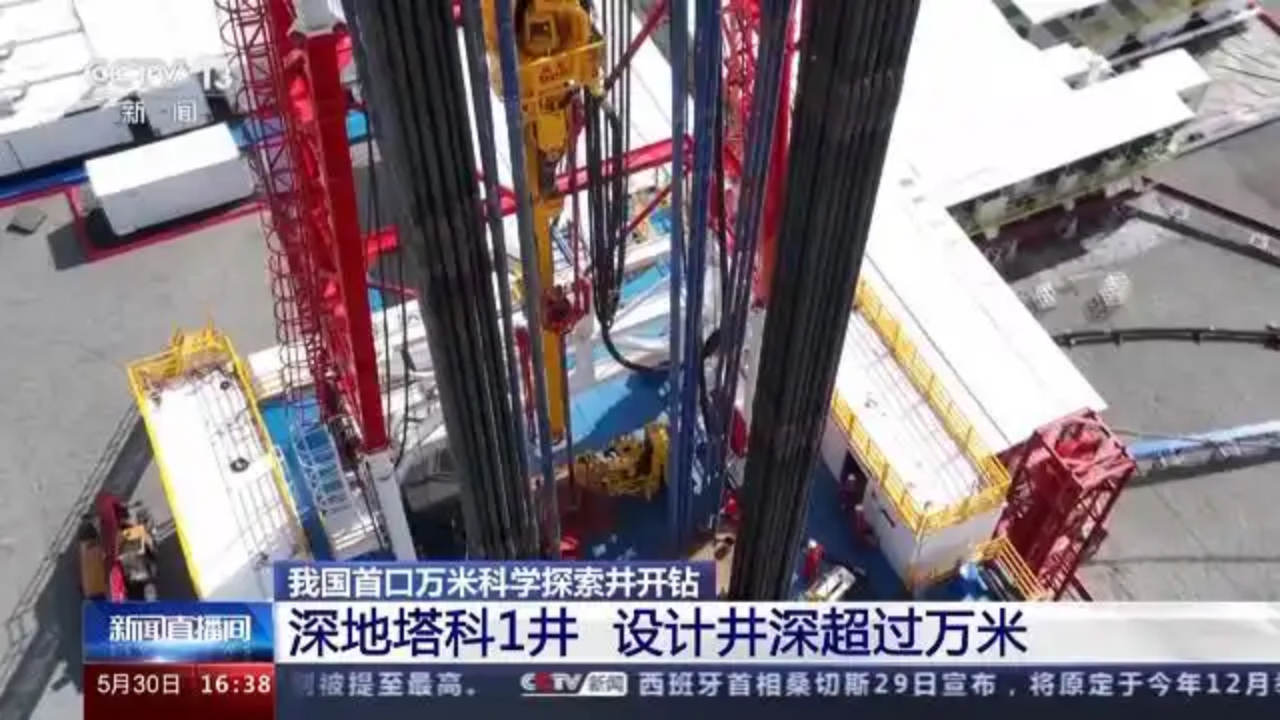
Depth brings difficulty. In a high temperature environment below 10,000 meters, drilling tools become as soft as noodles. Drilling a well requires overcoming dozens of problems such as well leakage, stuck drilling, and formation collapse.In view of the difficulties caused by ultra-deep and Tarim's special geological structure, Taco 1 well uses the world's first 12,000-meter ultra-deep well automated drilling rig independently developed for operation.At the same time, it innovatively develops technologies such as ultra-high temperature working fluid resistant to 220 degrees Celsius and five-open borehole body structure to provide technical and equipment support for drilling 10,000-meter-deep wells.
Most of the oil and gas in the Tarim Basin where the deep Taco 1 well is located are contained below 6,000 meters, and the total amount of oil and gas geological resources below 8,000 meters exceeds 9 billion tons of oil equivalent, accounting for more than half of the country's ultra-deep resources, and the exploration prospects are very broad.
What is a scientific exploration well?
The scientific exploration well is referred to as the scientific exploration well. Its main purpose is to explore the evolution of the earth, the origin of life, climate change, disaster prevention and control, and resource utilization.
At present, there are three main types of scientific exploration wells in the world.The first category is the international continental drilling plan, which mainly explores the deep structure of the continent, the migration laws of heat, matter and fluids inside the earth's crust, etc.; The second category is the International ocean Discovery plan, which mainly explores the composition and structure of the earth's seabed, the origin of life on the earth, the interaction of the earth's circumpolar layers, and promotes the development of deep-sea drilling technology; the third category is ultra-deep oil and gas exploration and development.

Depth brings difficulty. In a high temperature environment below 10,000 meters, drilling tools become as soft as noodles. Drilling a well requires overcoming dozens of problems such as well leakage, stuck drilling, and formation collapse.In view of the difficulties caused by ultra-deep and Tarim's special geological structure, Taco 1 well uses the world's first 12,000-meter ultra-deep well automated drilling rig independently developed for operation.At the same time, it innovatively develops technologies such as ultra-high temperature working fluid resistant to 220 degrees Celsius and five-open borehole body structure to provide technical and equipment support for drilling 10,000-meter-deep wells.
Most of the oil and gas in the Tarim Basin where the deep Taco 1 well is located are contained below 6,000 meters, and the total amount of oil and gas geological resources below 8,000 meters exceeds 9 billion tons of oil equivalent, accounting for more than half of the country's ultra-deep resources, and the exploration prospects are very broad.
What is a scientific exploration well?
The scientific exploration well is referred to as the scientific exploration well. Its main purpose is to explore the evolution of the earth, the origin of life, climate change, disaster prevention and control, and resource utilization.
At present, there are three main types of scientific exploration wells in the world.The first category is the international continental drilling plan, which mainly explores the deep structure of the continent, the migration laws of heat, matter and fluids inside the earth's crust, etc.; The second category is the International ocean Discovery plan, which mainly explores the composition and structure of the earth's seabed, the origin of life on the earth, the interaction of the earth's circumpolar layers, and promotes the development of deep-sea drilling technology; the third category is ultra-deep oil and gas exploration and development.
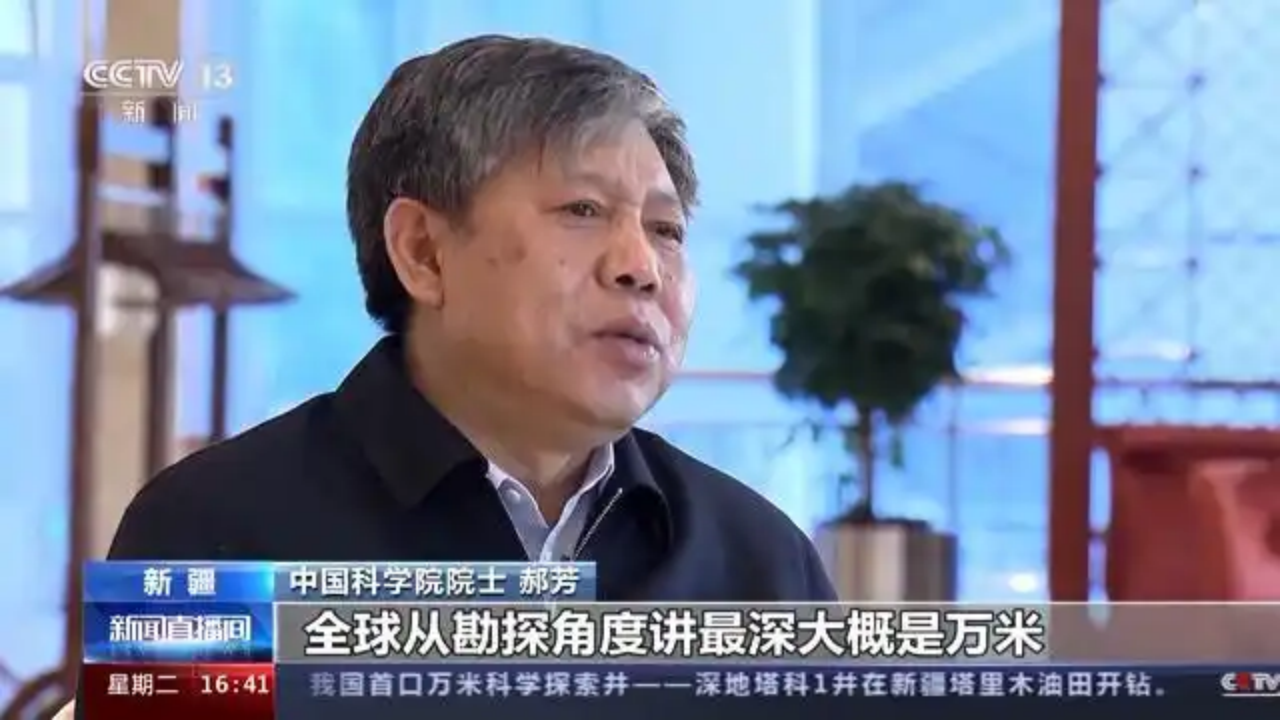
Hao Fang, Academician of the Chinese Academy of Sciences: The deepest depth in the world from the perspective of exploration is about 10,000 meters. The Tarim Basin is not only deep, but its evolutionary history is more complicated. It is more of a seam-hole type or a reservoir type like fracture, which should be said to be more difficult.
More than 1,000 drill pipes need to be connected to a 10,000-meter deep well. Because the drill pipe is like a “cooked noodle” under high temperature and high pressure, it is difficult to control the operation.At the same time, facing a high temperature of more than 200 degrees Celsius underground, the electronic components, rubber parts, etc. in general equipment and instruments will be damaged and fail.
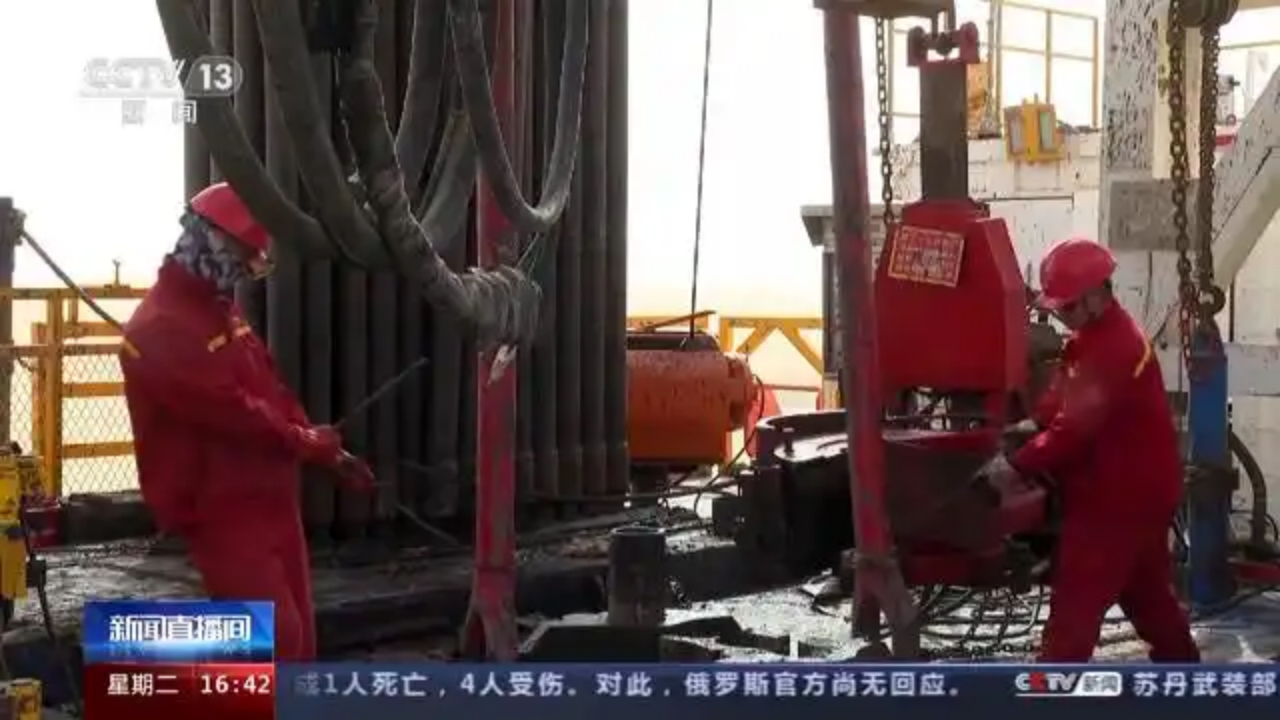
As a leader in the exploration and development of ultra-deep oil and gas in our country, it took 10 years for the Tarim oilfield to hit from 4,500 meters to 6,000 meters, and 17 years from 7,000 meters to 9,000 meters.In March this year, the Goole 3C well, located in the hinterland of the Taklamakan Desert, set a record for the deepest horizontal well in Asia at a depth of 9,396 meters.

Duan Yongxian, manager of PetroChina's Tarim Oilfield Exploration Division: Through a series of technical breakthroughs, we drilled an 8,000-meter-deep well, which has been shortened from more than 700 days in 2007 to the current average time of 180 days. Within 100 days at the fastest, the pace of ultra-deep exploration in the Tarim Basin has been greatly accelerated.
Deep drilling rig, the world's first 12,000-meter ultra-deep well automated drilling rig
Drilling a 10,000-meter-deep well will face countless unknown challenges, and higher requirements will be put forward for drilling equipment, tools, instruments, working fluids, etc.The drilling rig used in the deep Taco 1 well is the world's first 12,000-meter deep well automated drilling rig independently developed by our country.
The world's first 12,000-meter ultra-deep well automated drilling rig is 82 meters high, which is equivalent to the height of a 24-story building. Compared with ordinary drilling rigs, the load lifting capacity has been increased from three to four hundred tons to a maximum of 900 tons, which is equivalent to lifting 150 adult elephants at the same time.It is equipped with a full set of pipe column automation system, dual-driller integrated control system, and one-button drilling control system, which greatly improves safety standards while reducing the labor intensity of workers.
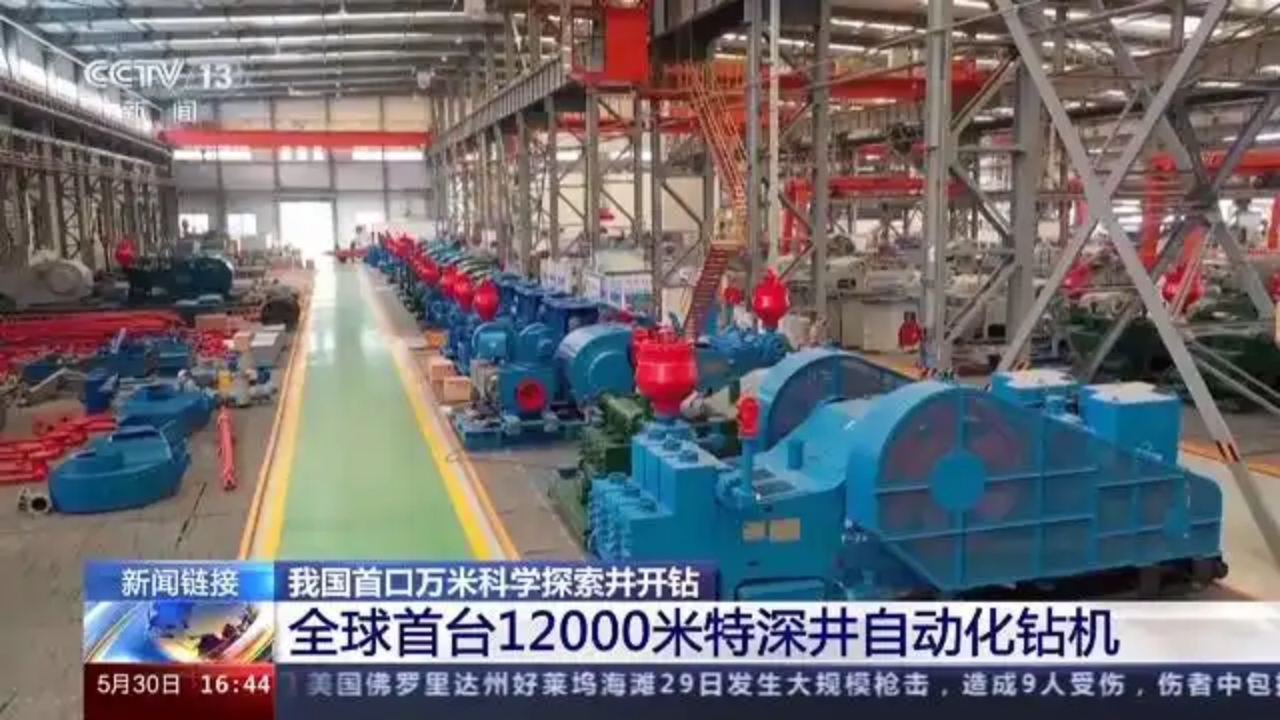
In order to ensure that 10,000-meter-level extra-deep wells are “completed, fast, and well-drilled”, China National Petroleum Baoji Petroleum Machinery Company has taken the lead and jointly developed a number of key core technologies and equipment such as China Petroleum Technical Service, Tarim Oilfield, and Western Drilling. Integrated platform integration technology, drilling independent decision-making industrial control system, ultra-high and heavy-duty derrick base, etc.Deep Taco 1 well also provides an information IOT system to realize remote monitoring of equipment status and operating parameters to ensure real-time drilling monitoring, maintenance services, data management, and remote support services.
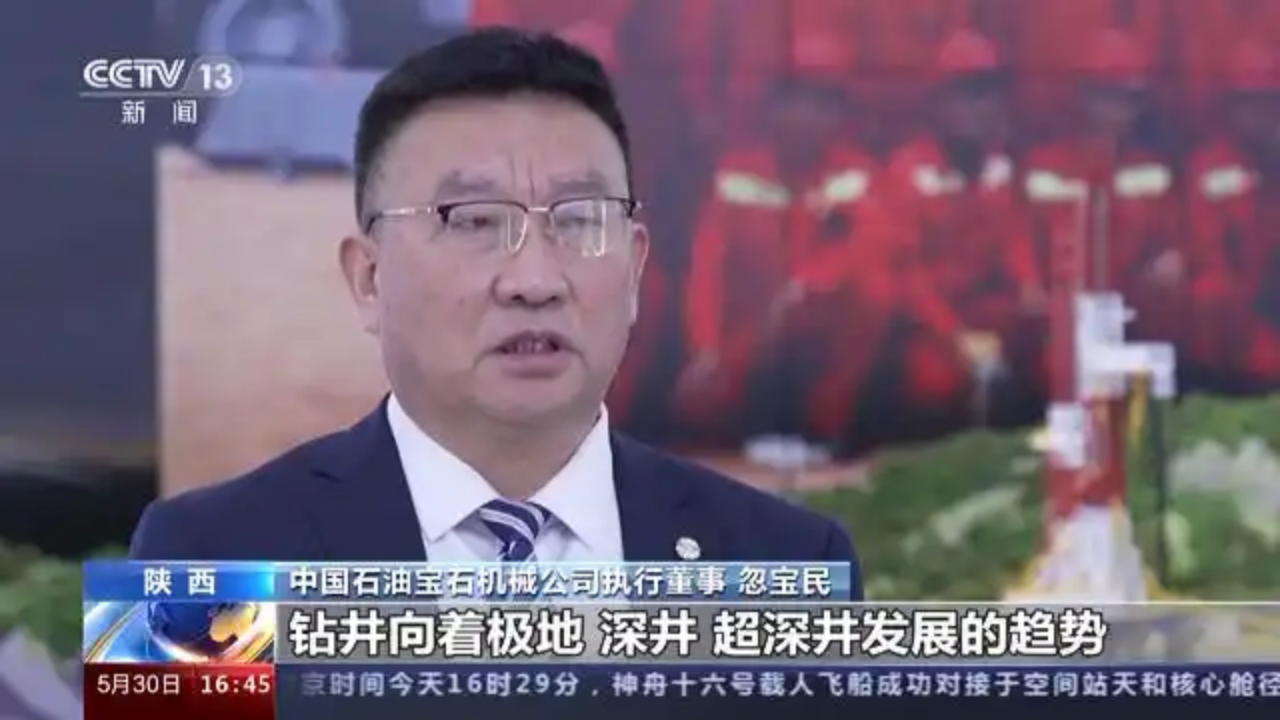
Hu Baomin, executive director of China Petroleum Gem Machinery Company: In view of the current trend of drilling towards polar, deep and ultra-deep wells, we have increased our investment in scientific and technological research and development. This time, 100% of the 10,000-meter drilling rig has achieved independent intellectual property rights.
"Deep ground” has become the main position of oil and gas discovery in our country
In recent years, 60% of the world's new oil and gas reserves have come from deep formations, and the exploration potential is huge.Deep and even ultra-deep oil and gas resources have become an important part of our country's energy composition.
China's oil and gas resources are mainly distributed in the seven major basins of Tarim, Ordos, Songliao, Bohai Bay, Sichuan, Junggar and Qaidam.However, it is different from the situation where oil can be found on the ground in the Middle East. More than one-third of our country's known oil and gas resources are distributed 4,500 meters underground, and some are even deeper.The Tarim Basin and the Sichuan Basin are the two richest deep oil and gas basins in our country. In the Tarim Basin, there are more than 80% of the oil buried in ultra-deep formations below 6,000 meters.
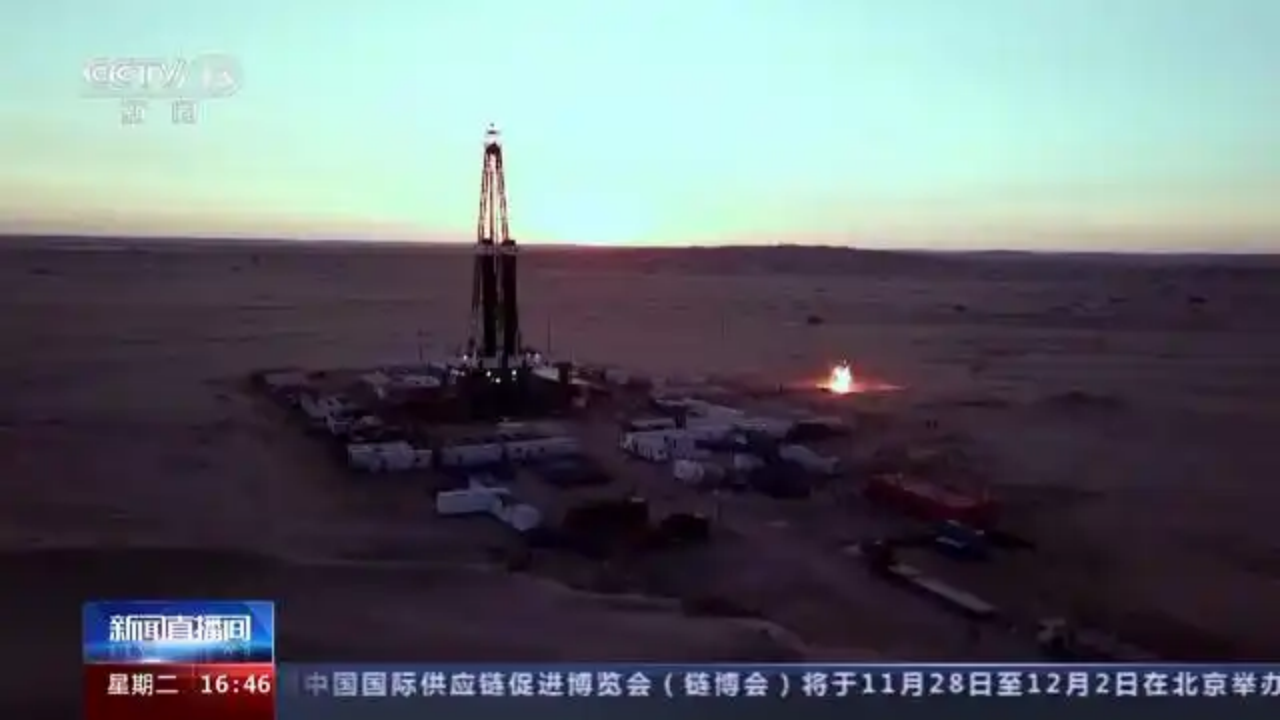
In recent years, the average depth of gas wells drilled in Nantianshan in the Tarim Oilfield has exceeded 8,200 meters, and a total of 1,600 ultra-deep wells have been drilled.A number of indicators of drilling, logging, and cementing have set records, and two trillion cubic meters of atmospheric areas and 1 billion tons of oil and gas areas have been discovered one after another.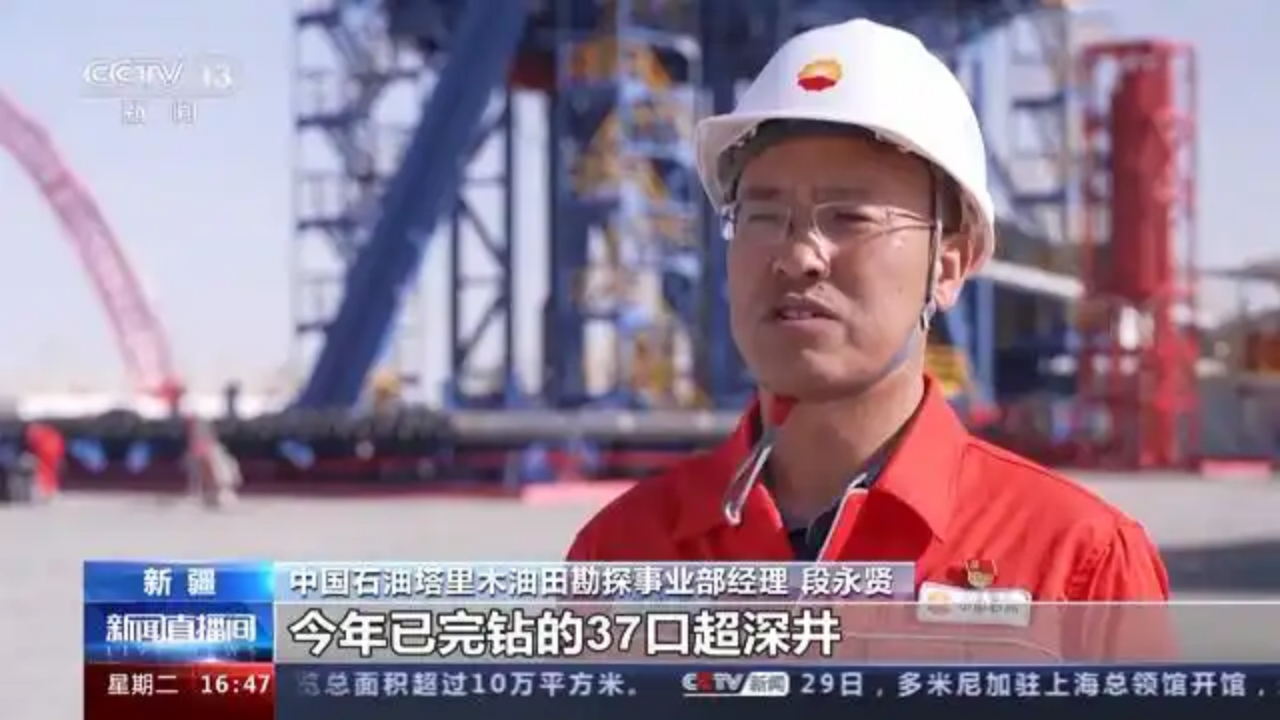
Duan Yongxian, manager of the Exploration Division of Tarim Oilfield of PetroChina: Of the 37 ultra-deep wells that have been drilled this year, 14 of them are more than 8,000 meters deep. At present, the average drilling depth of our oilfield is close to 7,100 meters. It is the deepest oilfield in our country with the average drilling depth. The ultra-deep has become our core position for increasing storage and production.
At present, China's deep and ultra-deep oil and gas resources reach 67.1 billion tons of oil equivalent, accounting for 34% of the country's total oil and gas resources. The exploration and development of deep oil and gas resources is of great significance to China's expansion of reserves and stable production.